

Blockchain Commons offers technologies to support secure communication at a variety of levels. This includes architectural design (airgap, torgap), means for identifying assets as part of a communication method (lifehash, oib), and specific methods of communication (animated QRs, Garner, Hubert).
Why? Communication is the backbone for securing assets. The use of standardized protocols is what ensures openness, while the design of secure methods is what ensures resilience. Man-in-the-middle, fradulent PSBTs, and use of misidentified assets are all ways that digital assets could be lost. The Blockchain Commons secure communication technologies seek to avoid these problems.
Airgap
Architecture. Airgaps allow users to keep assets on physically separate devices.
For more see:
Torgap
Architecture. Torgaps ensure that connections between apps and services are protected with Tor.
For more see:
Lifehash
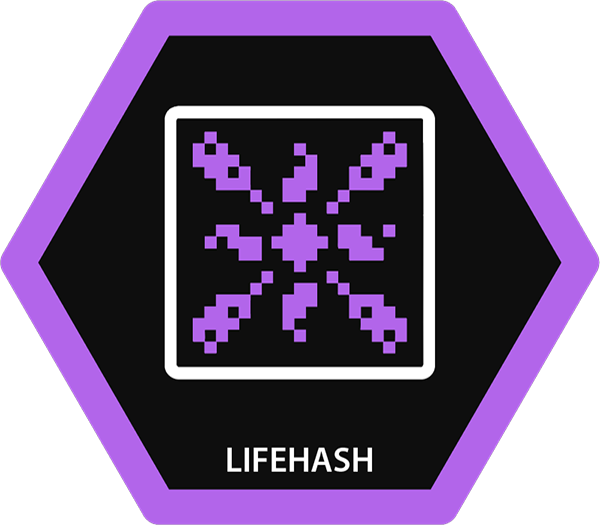
Identification. One of the biggest dangers in dealing with digital assets is that they’re identified by huge numbers that aren’t meaningful to the average user. Lifehash uses a visual hash to provide more meaningful identification when communicating about assets.
For more see:
Object Identity Block
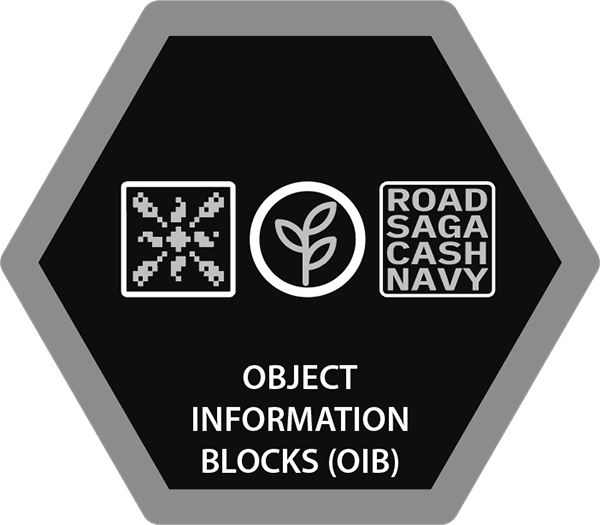
Identification. A Lifehash is a part of the larger Object Identity Block (OIB), which provides additional hints to help identify a digital asset.
For more see:
Animated QRs
Comm Method. Animated QRs are a method to transfer information against Airgaps, using fragemented Uniform Resources encoded into QR frames.
For more see:
- Animated QRs
- BCR-2024-001 (Research Repo)
Garner: Tor Onion Service
Comm Method. Garner uses Tor as a communication method for transmitting self-sovereign identity documents.
For more see:
Hubert: Dead-Drop Hub
Comm Method. Hubert uses decentralized storage to allow for dead-drop-like communication of protocols such as FROST.
- Hubert
- BCR-2025-006 (Research Repo)